
43 Products
-
Added to comparison 
-
Added to comparison 
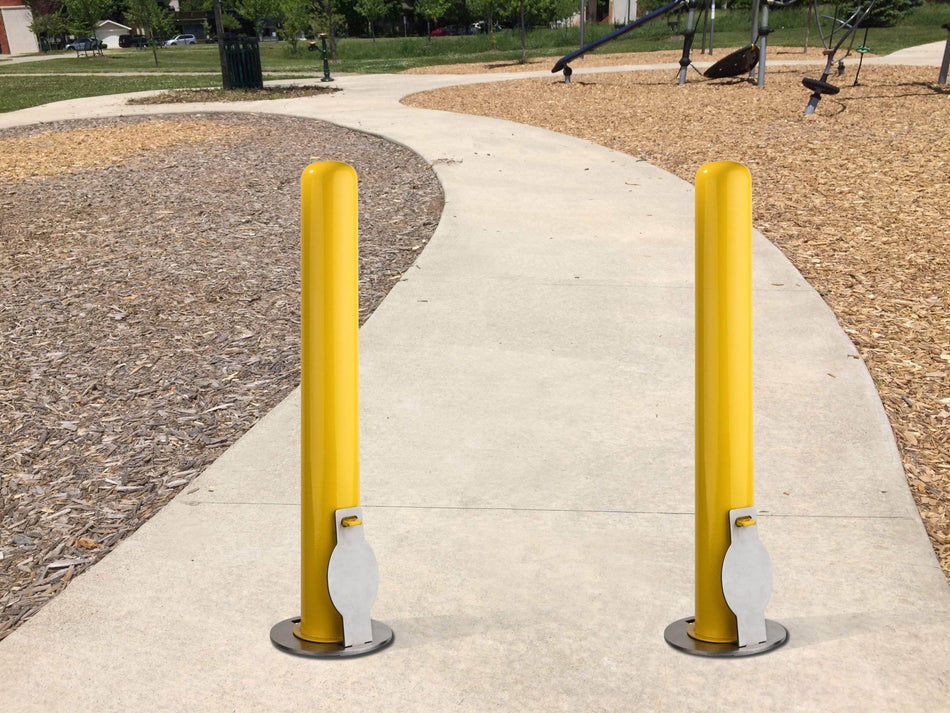 RMVB-BLLD-YW-4-36
Removable Bollard with Embedment Sleeve - Trafford Industrial
-
Added to comparison 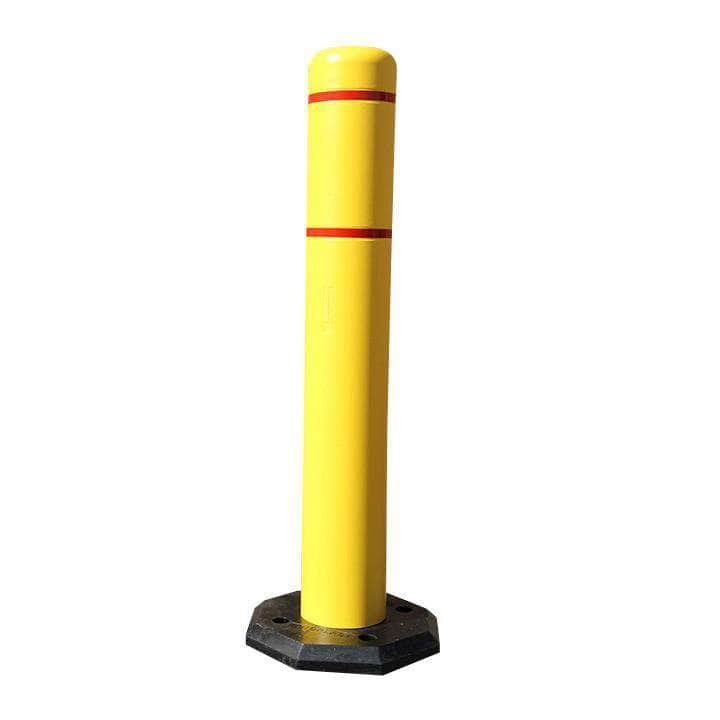
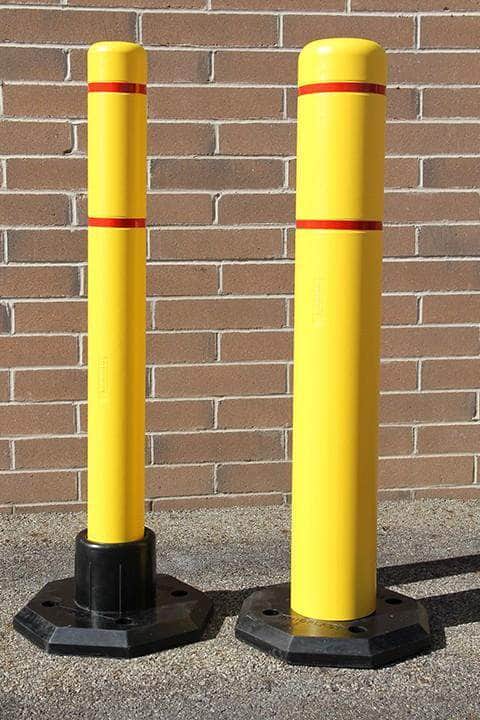 CCW-29-021-01039
BollardGard Anywhere - 7” x 52”
-
Added to comparison 
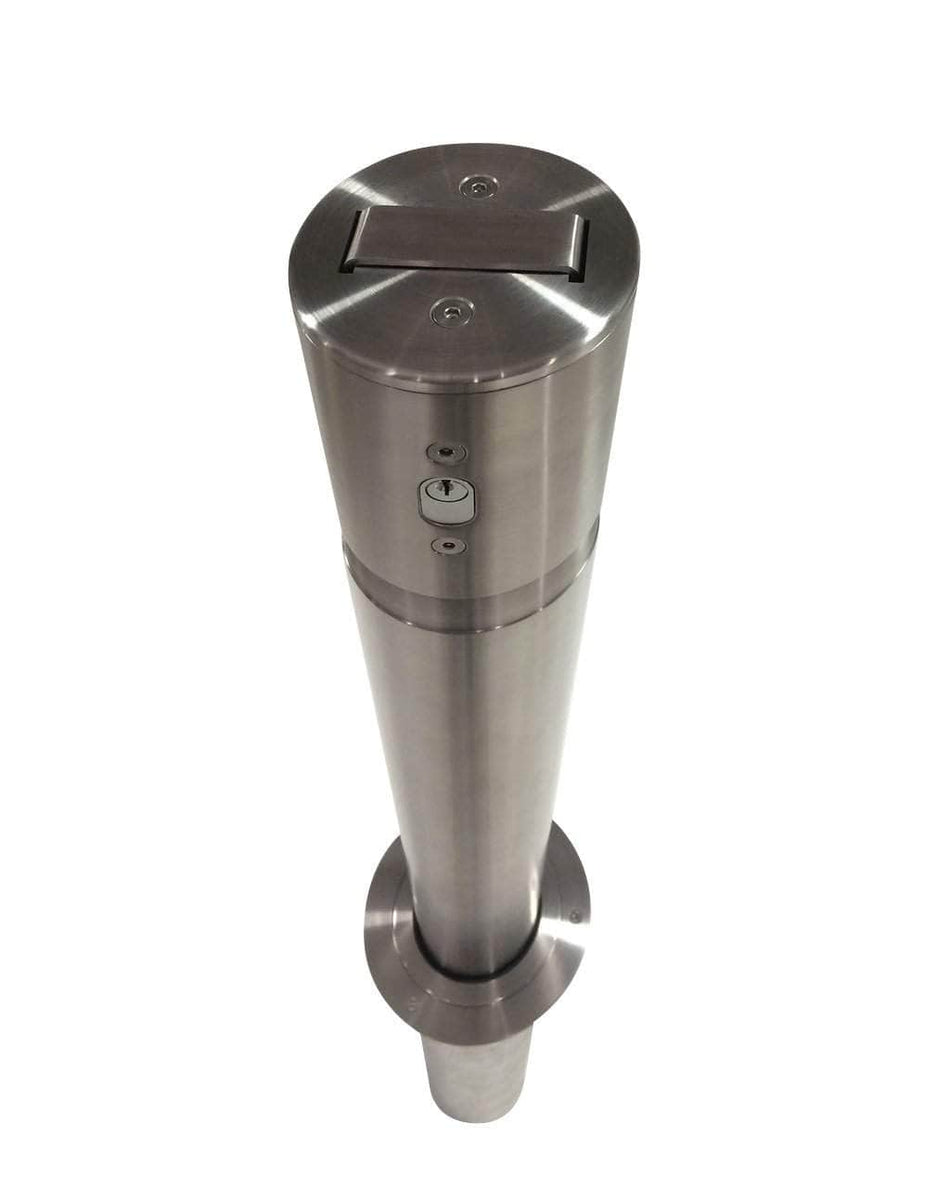 CCW-28-021-00923
Retractable Bollard - Manual Lift
-
Added to comparison 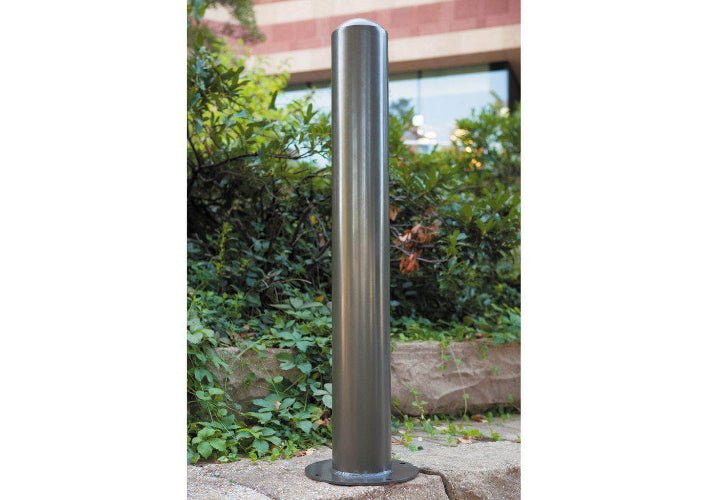
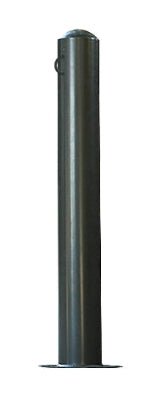 CCW-32-021-00084
Newport Diameter Bollard - 1 Chain Loop - 6 In. Dia.
-
Added to comparison 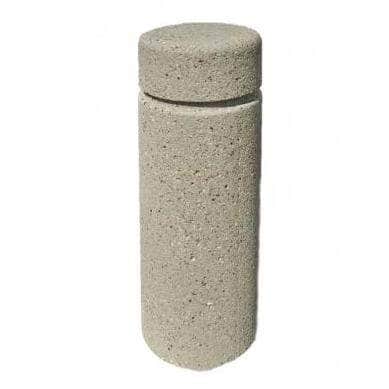
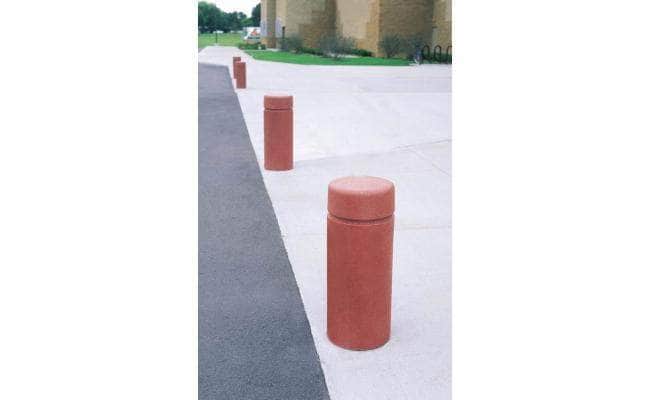 CCW-33-038-00296
Single Reveal Line Cylindrical Bollard
-
Added to comparison 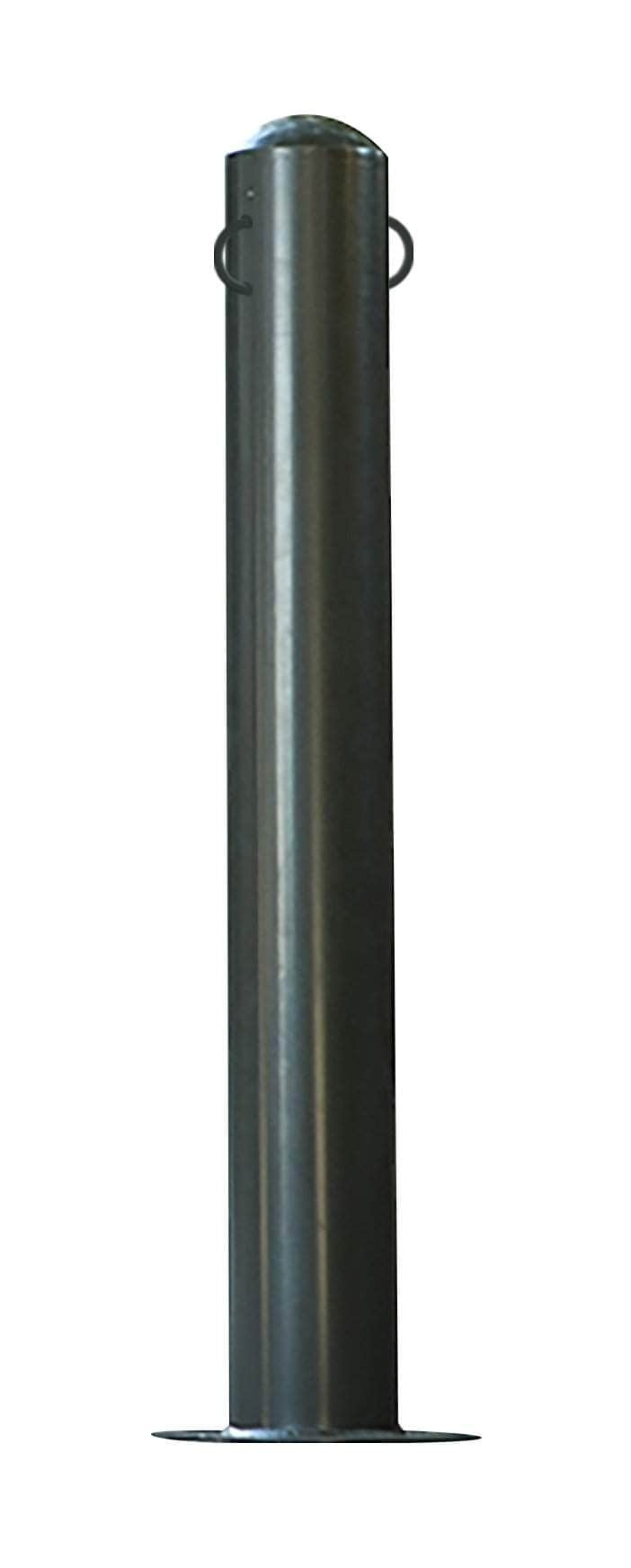
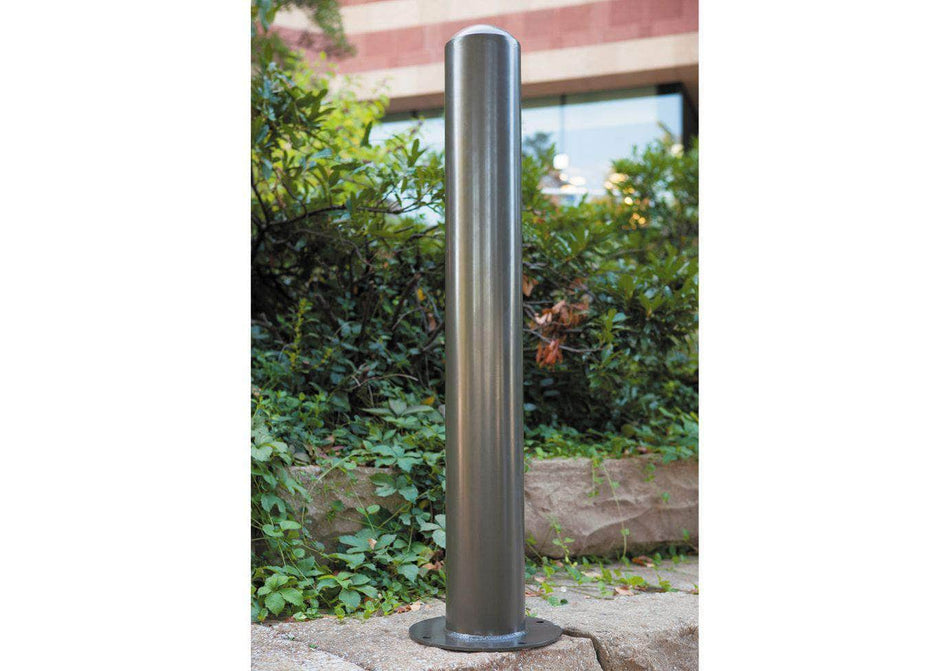 CCW-32-021-00142
Newport Diameter Bollard - 2 Chain Loops - 6 in. diameter.
-
Added to comparison 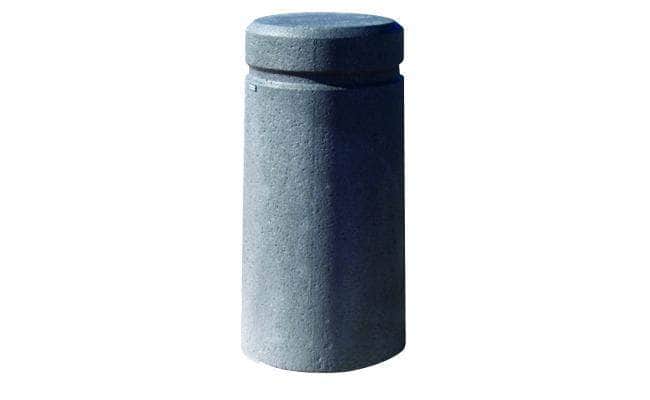 CCW-33-038-00412
Slight Taper Cylindrical Bollard with Reveal Line
-
Added to comparison 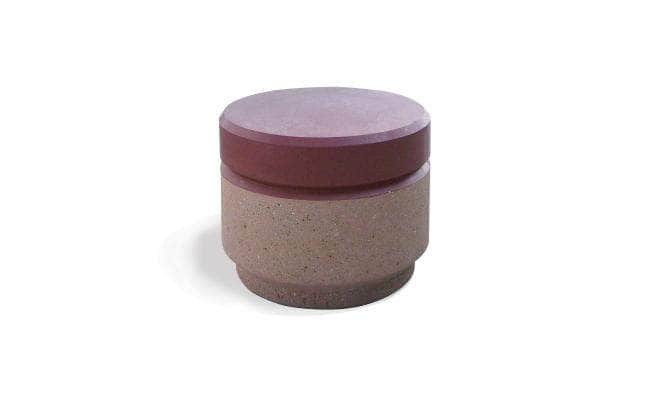
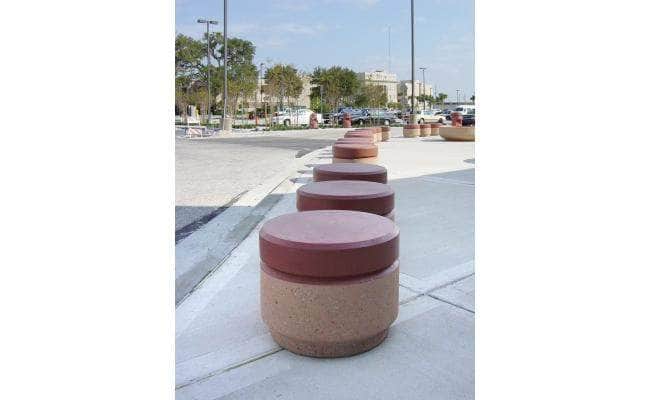 CCW-33-038-00234
Security Bench Bollard with Reveal Line
-
Added to comparison 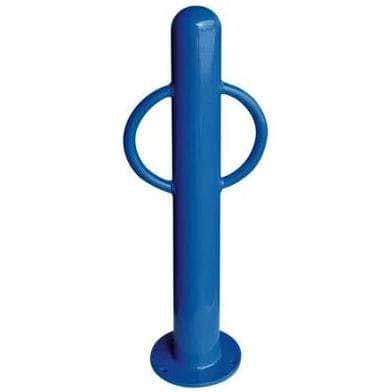
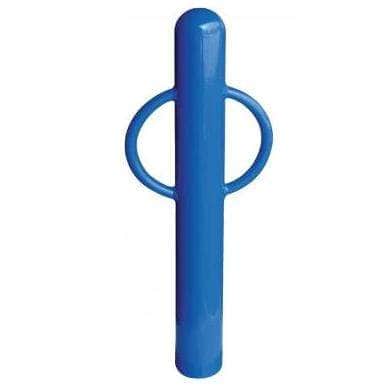 CCW-33-031-00033
Bike Rack Bollard, Thick Post - 2 Bike
-
Added to comparison 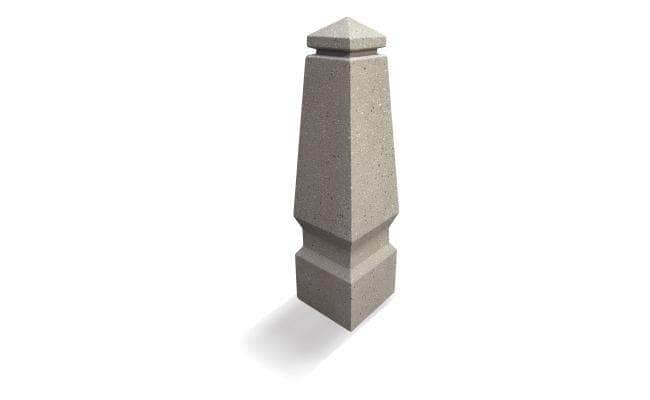
 CCW-33-038-00149
Obelisk Bollard with Reveal Line and Decorative Base
-
Added to comparison 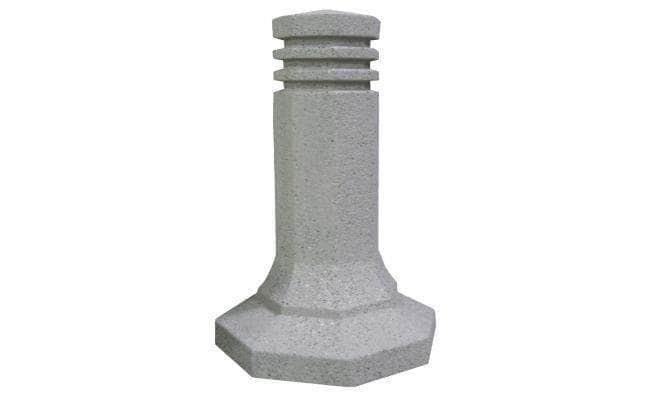 CCW-33-038-00089
Decorative Bollard with Three Reveal Lines and Tapered Base
-
Added to comparison 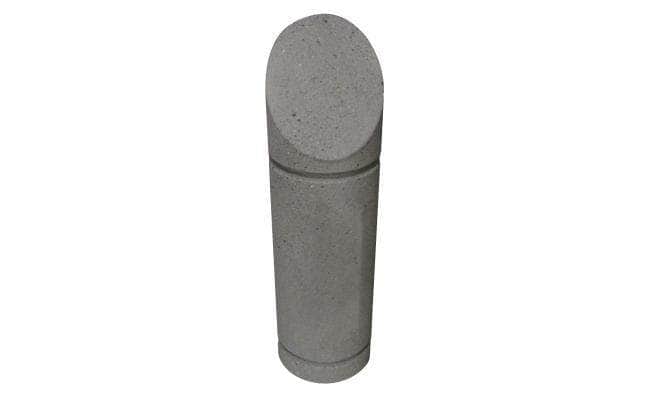
 CCW-33-038-00038
Cylindrical Bollard with Beveled Top and Reveal Line
-
Added to comparison 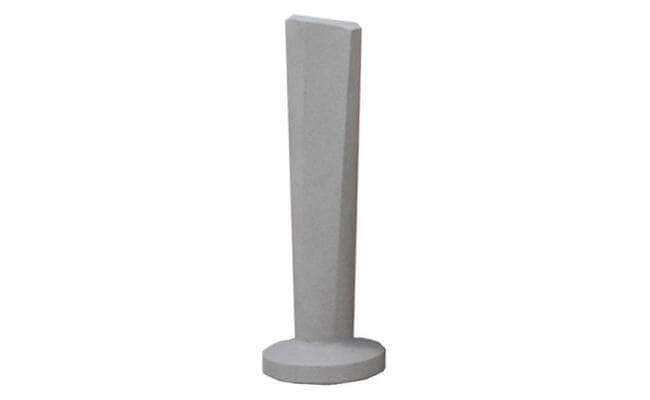
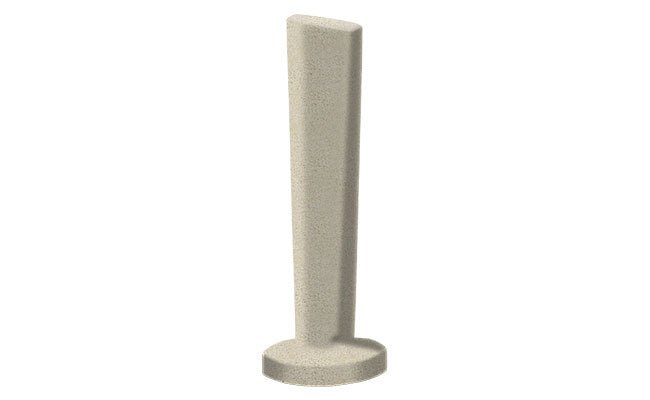 CCW-33-038-00002
Asymmetrical Modern Decorative Bollard
-
Added to comparison  CCW-38-021-00007
Cast Aluminum Bollard
-
Added to comparison 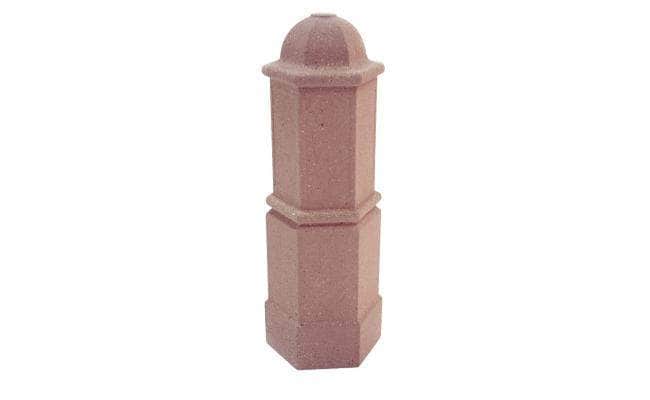
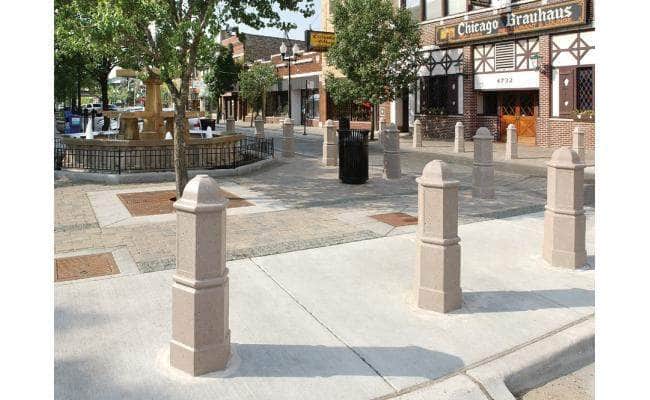 CCW-33-038-00121
Imperial Style Decorative Bollard
-
Added to comparison 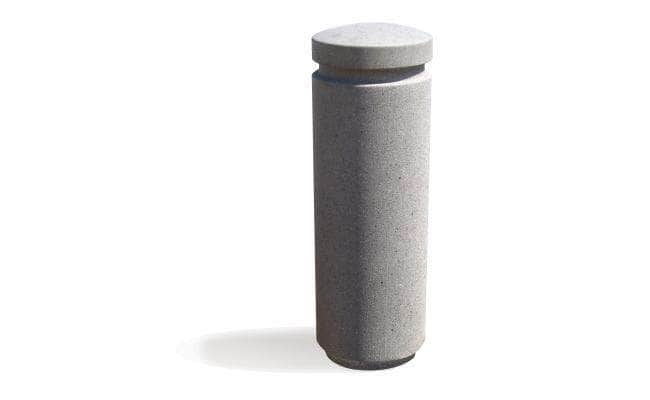 CCW-33-038-00327
Cylindrical Bollard With Wide Reveal Line
-
Added to comparison 
 CCW-32-021-00481
Dover Series Square Post Bollard - 3 Ft. or 4 Ft.
-
Added to comparison 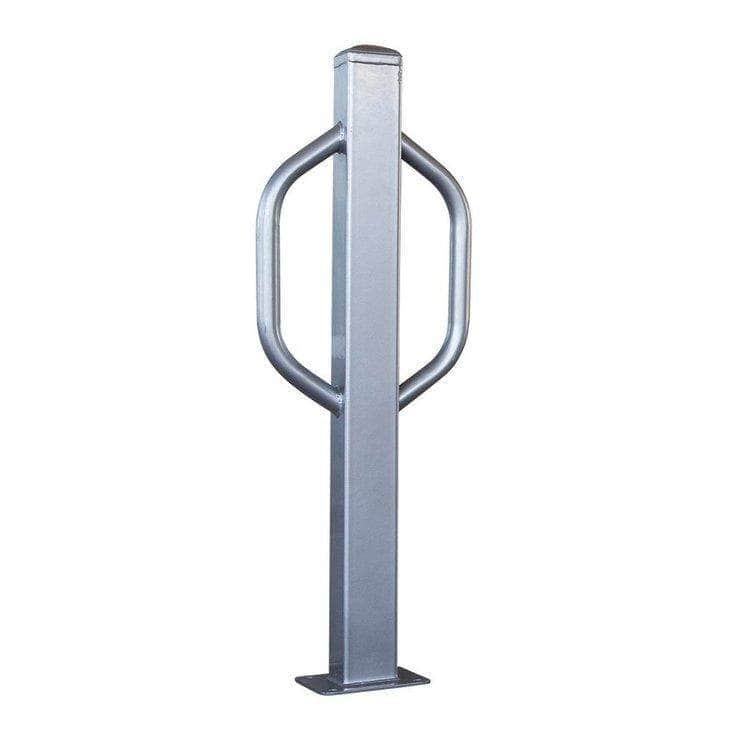
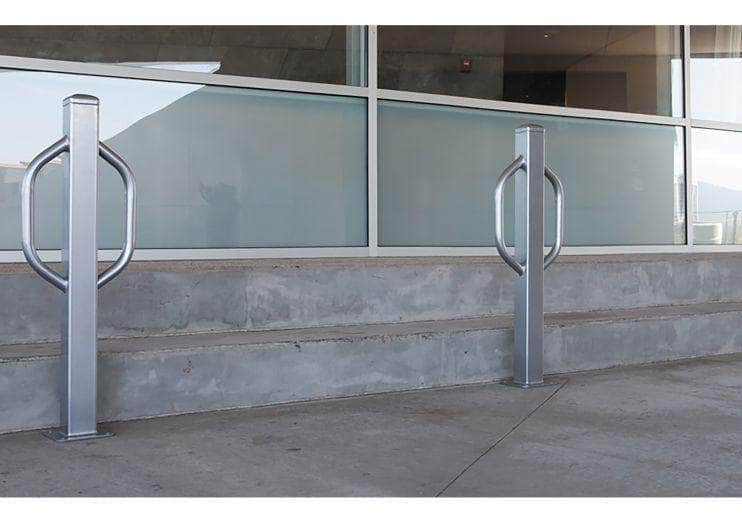 CCW-32-021-00446
Modern Series Square Post Bike Bollard - 3 Ft. or 4 Ft.
-
Added to comparison 
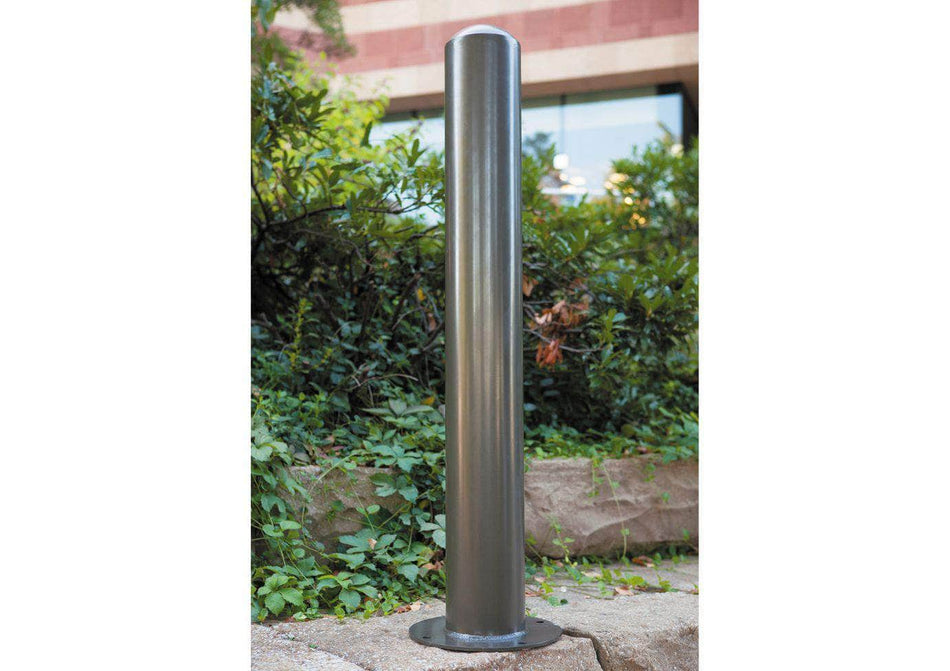 CCW-32-021-00043
Newport Diameter Bollard - No Chain Loops - 6 in. Dia.


