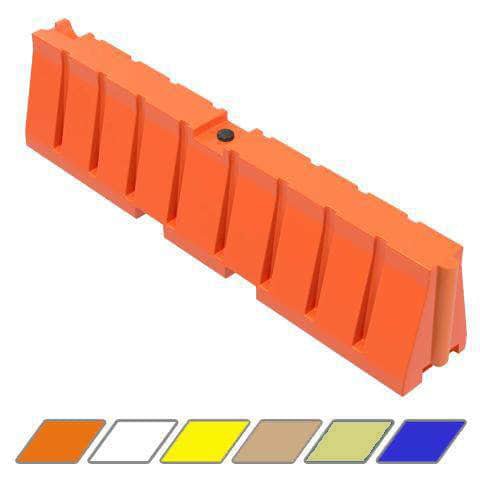
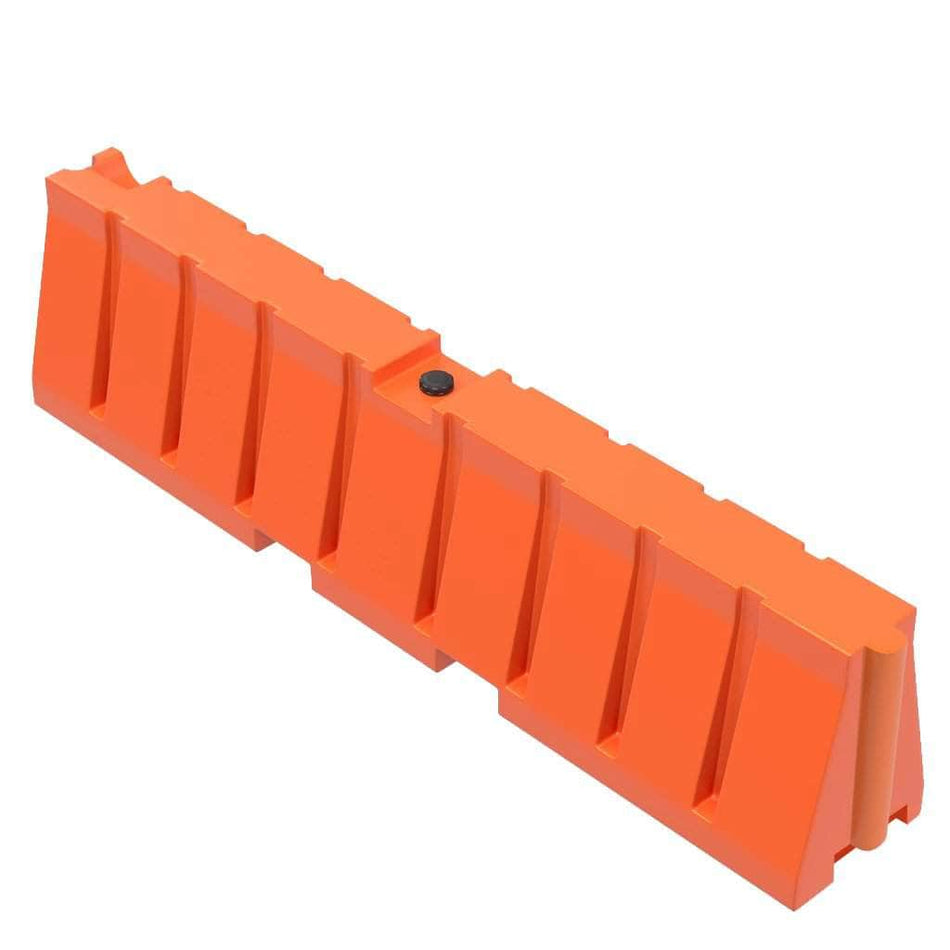
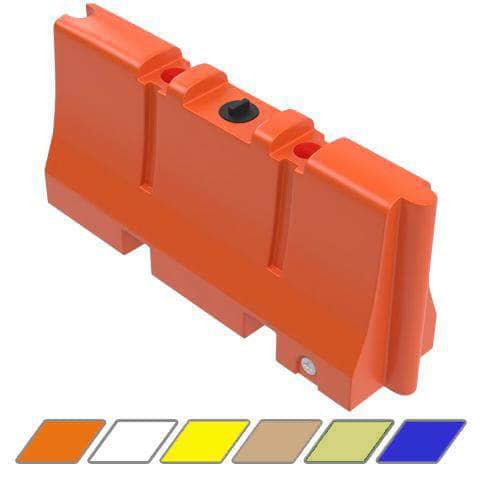
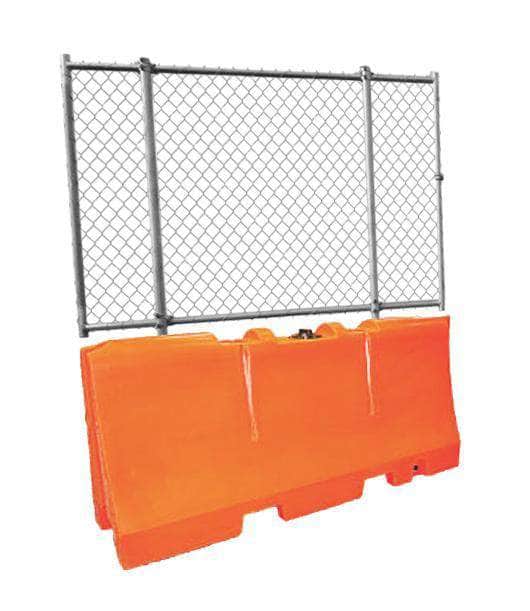
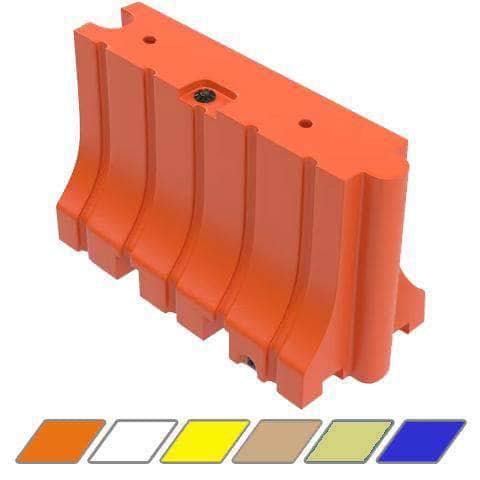
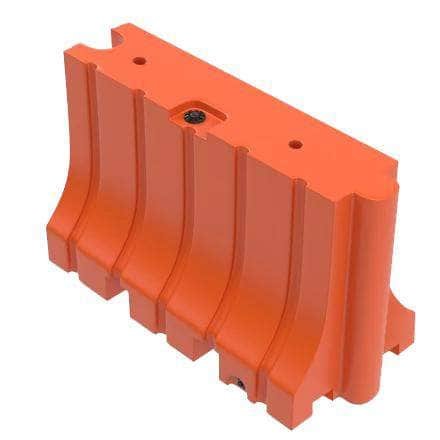
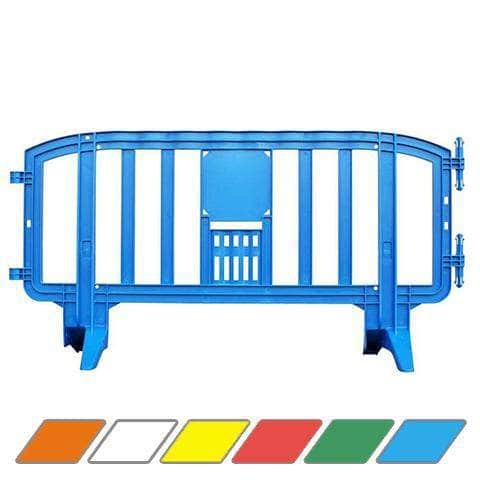
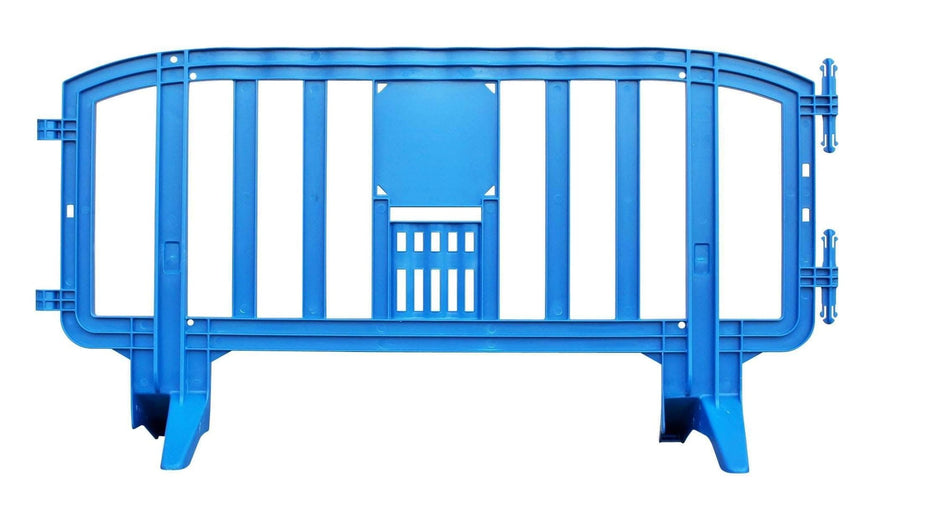
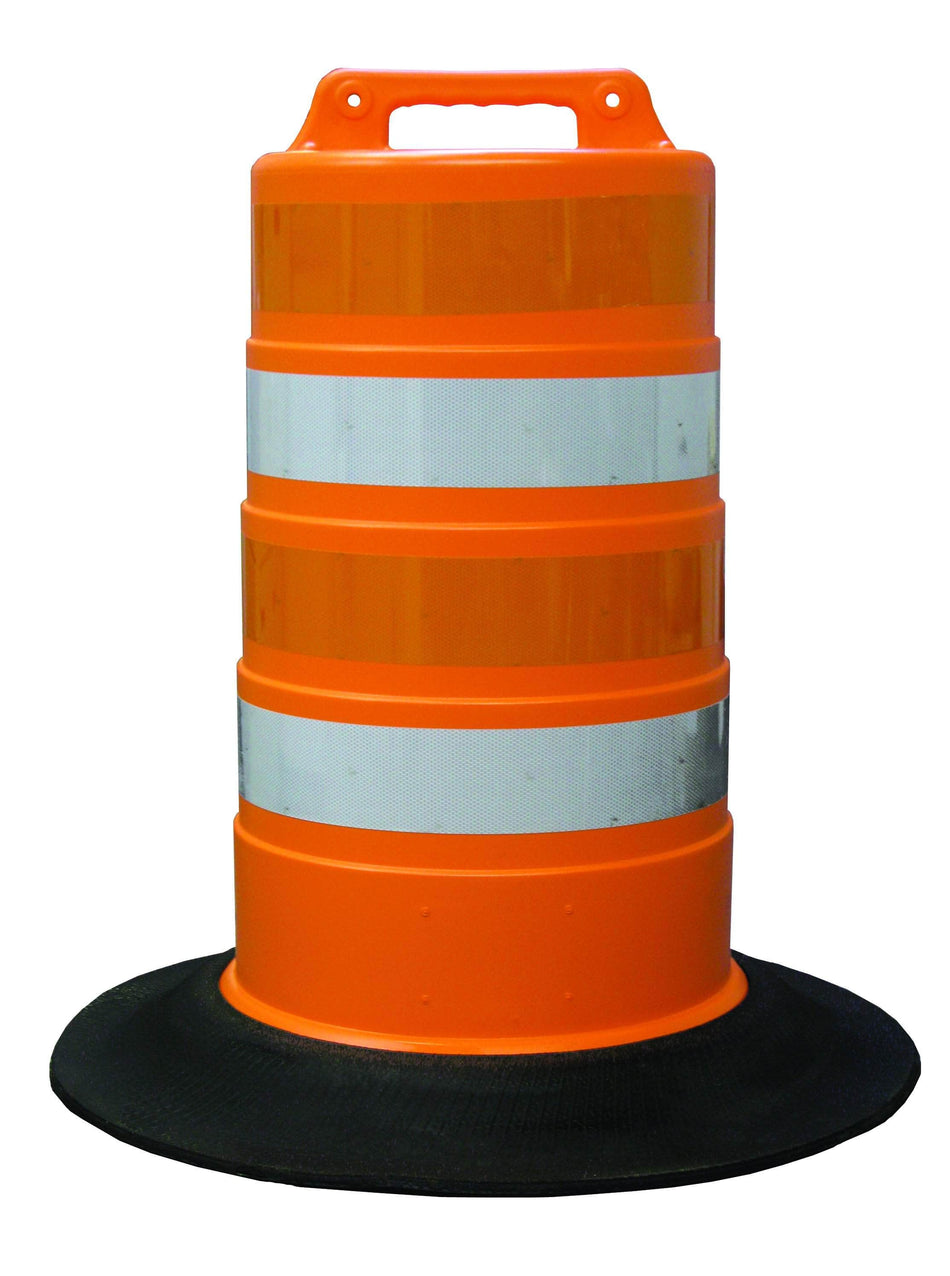
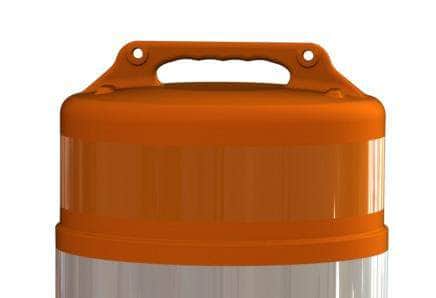
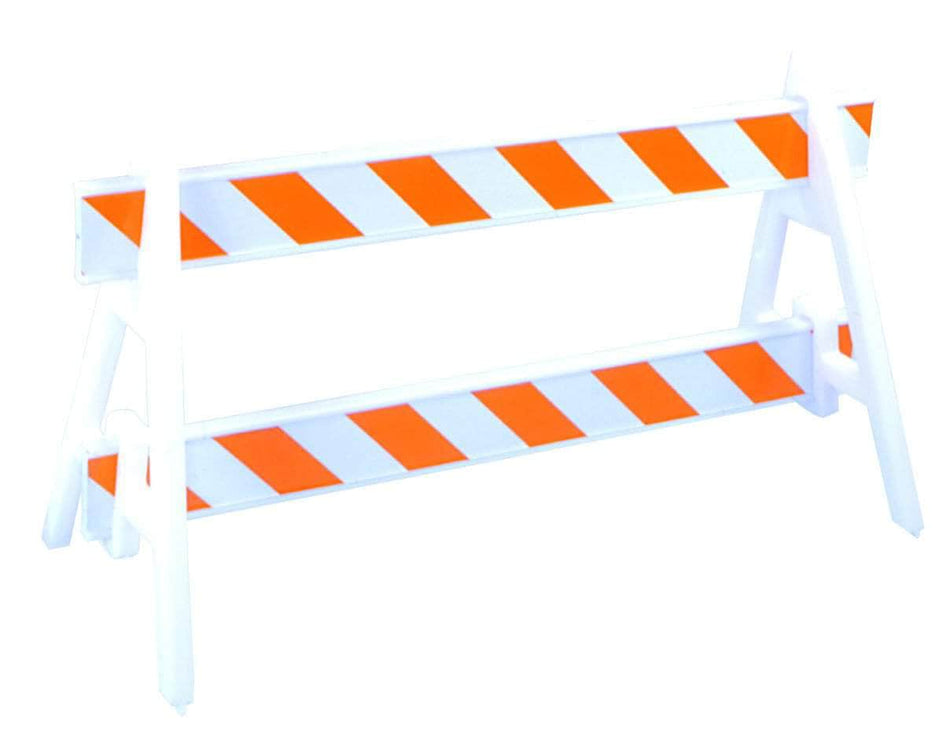
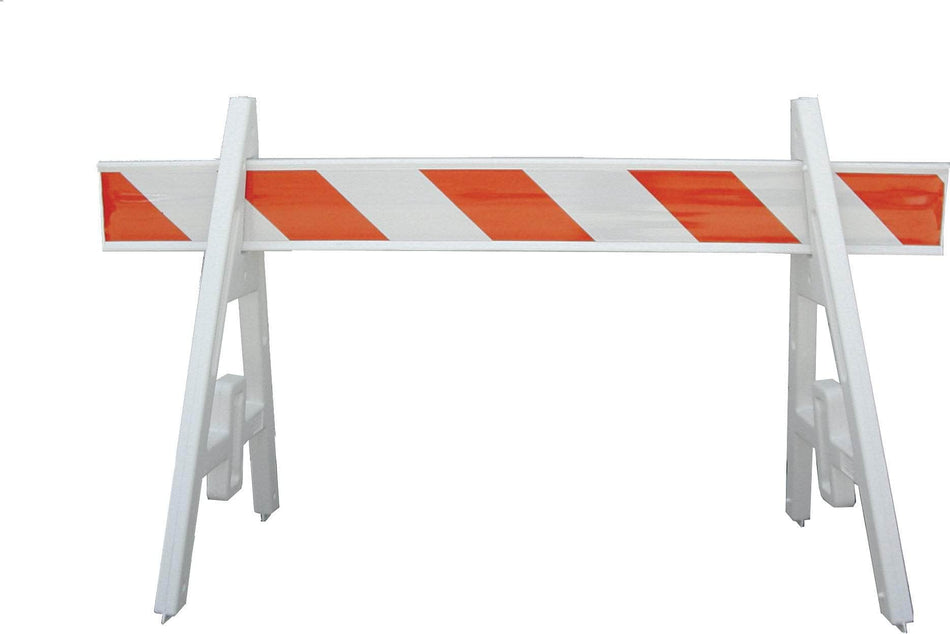
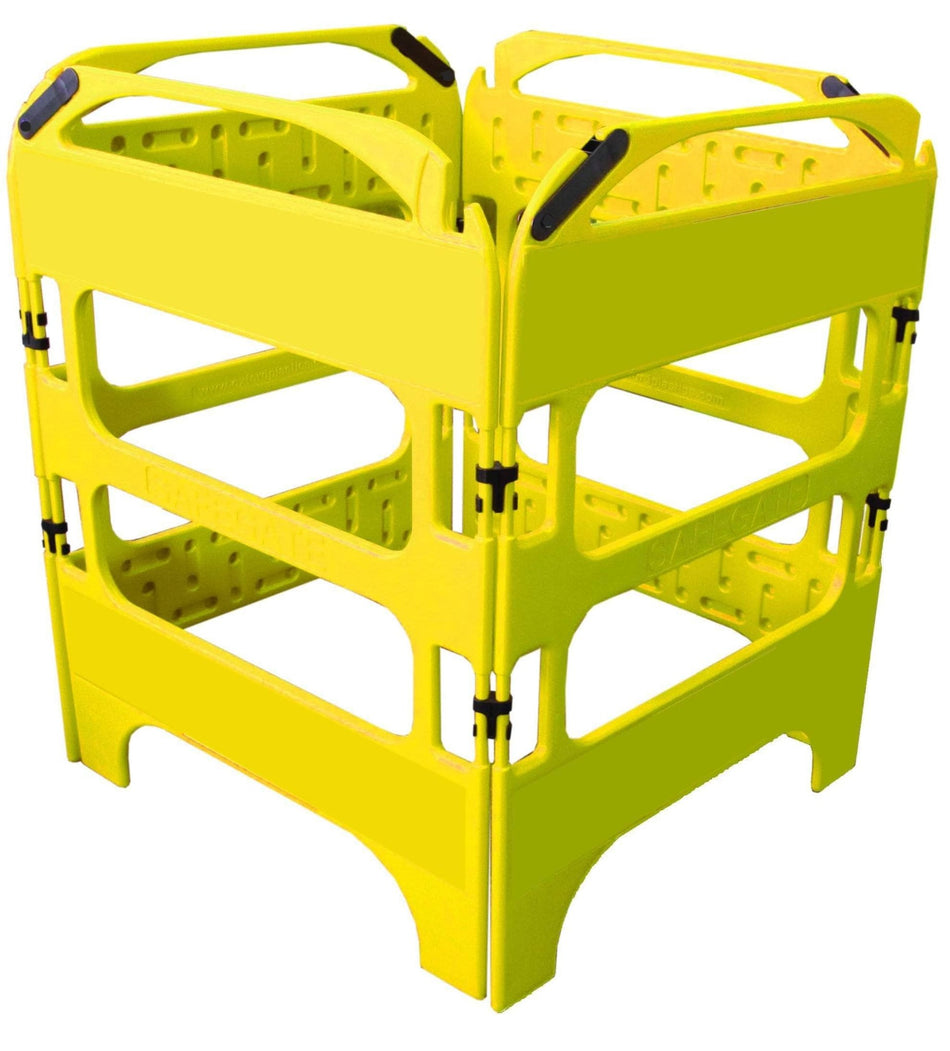
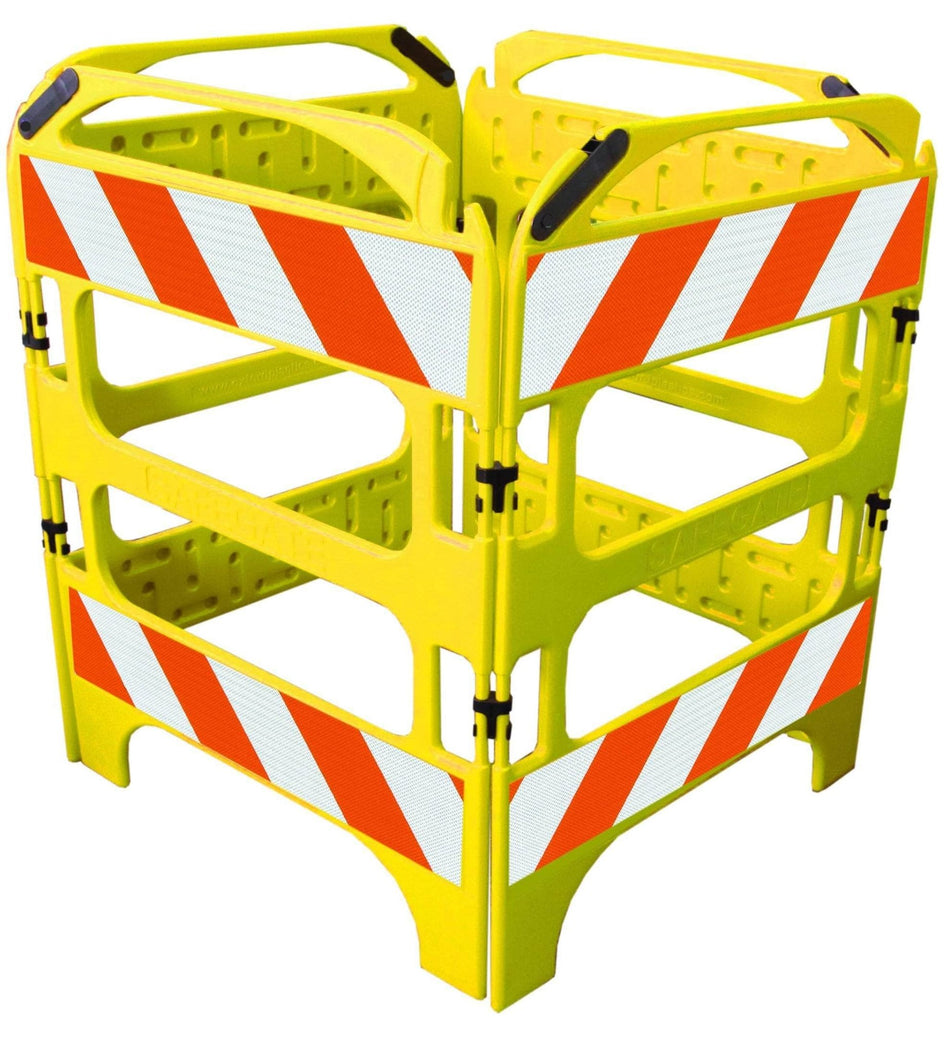
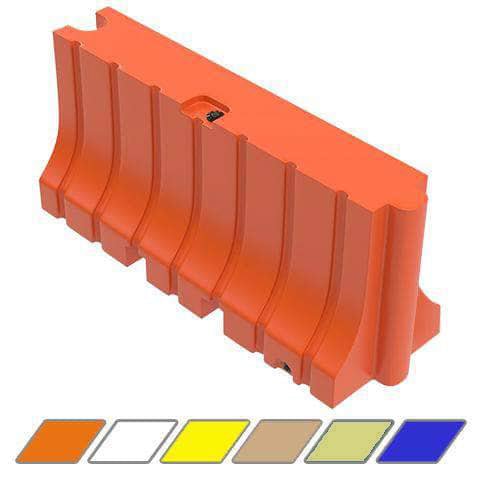
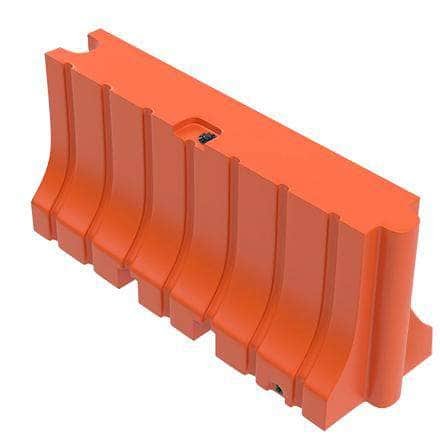
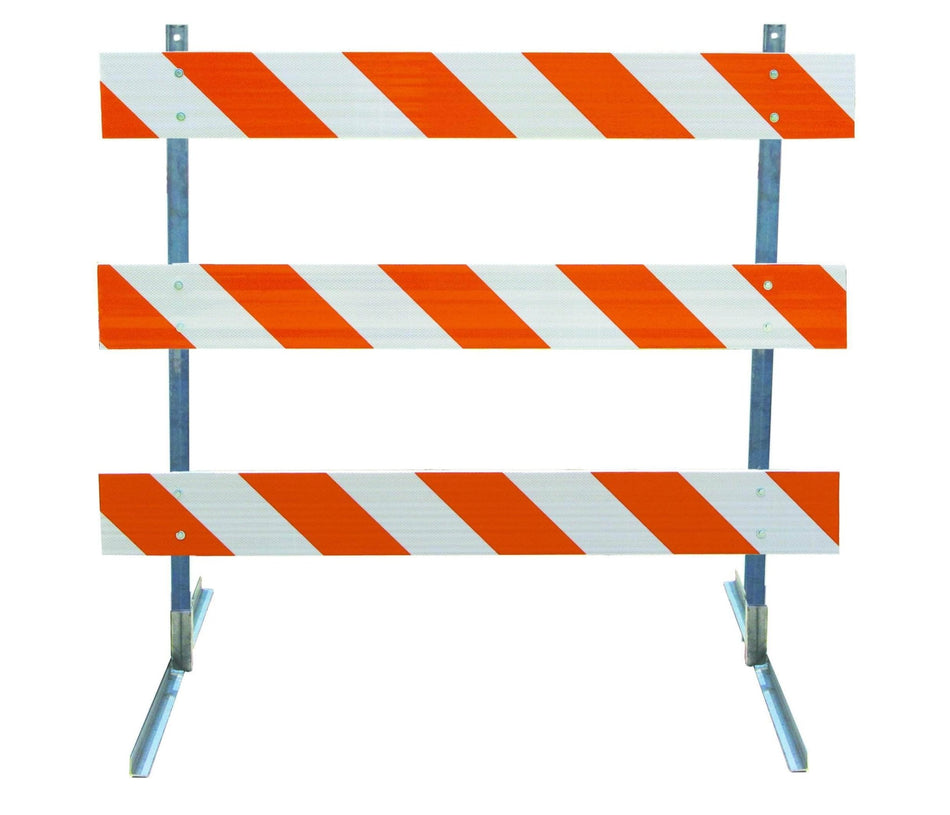
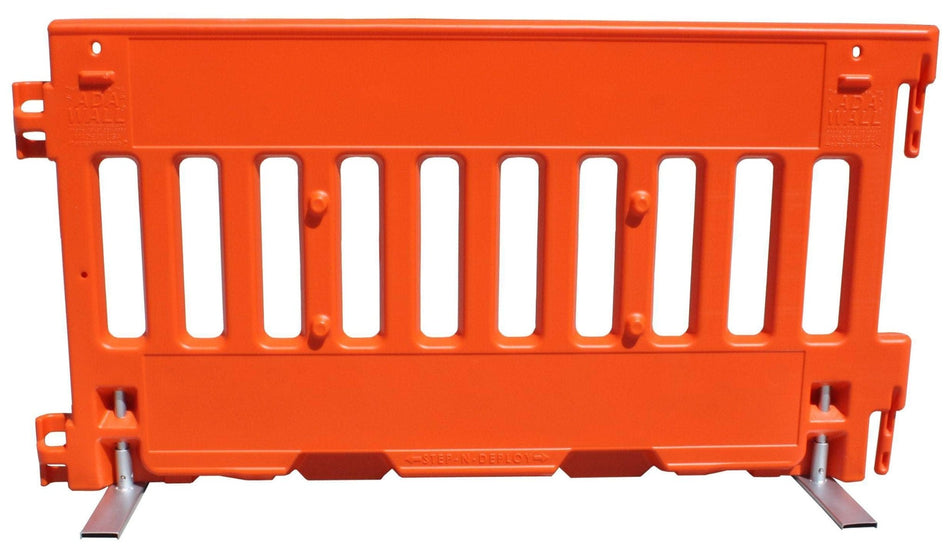
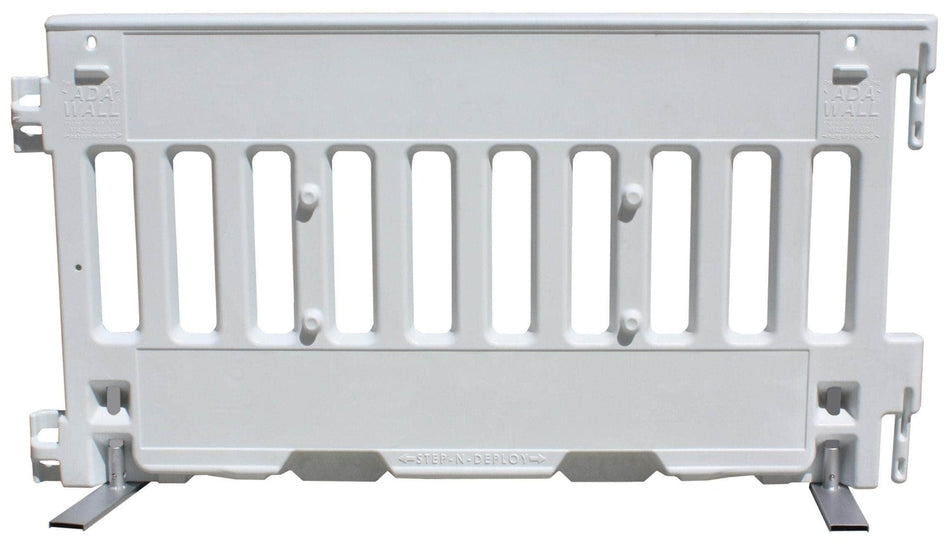
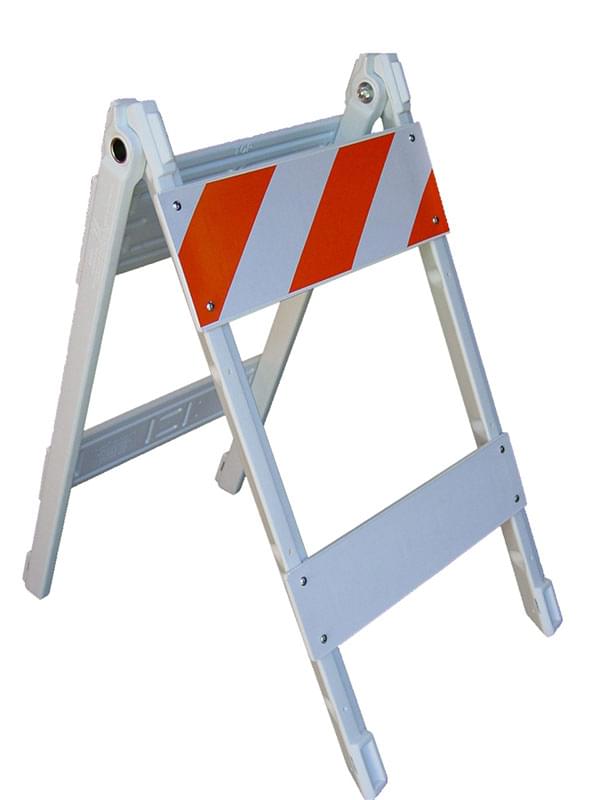
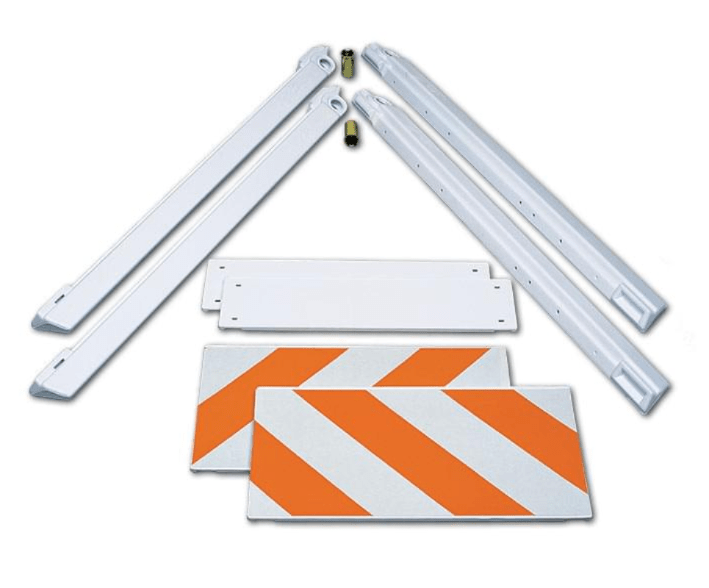
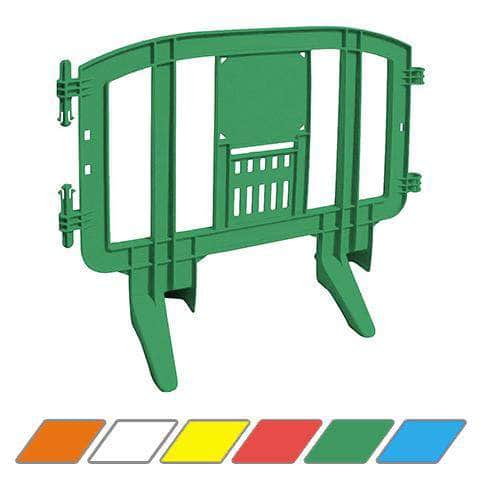
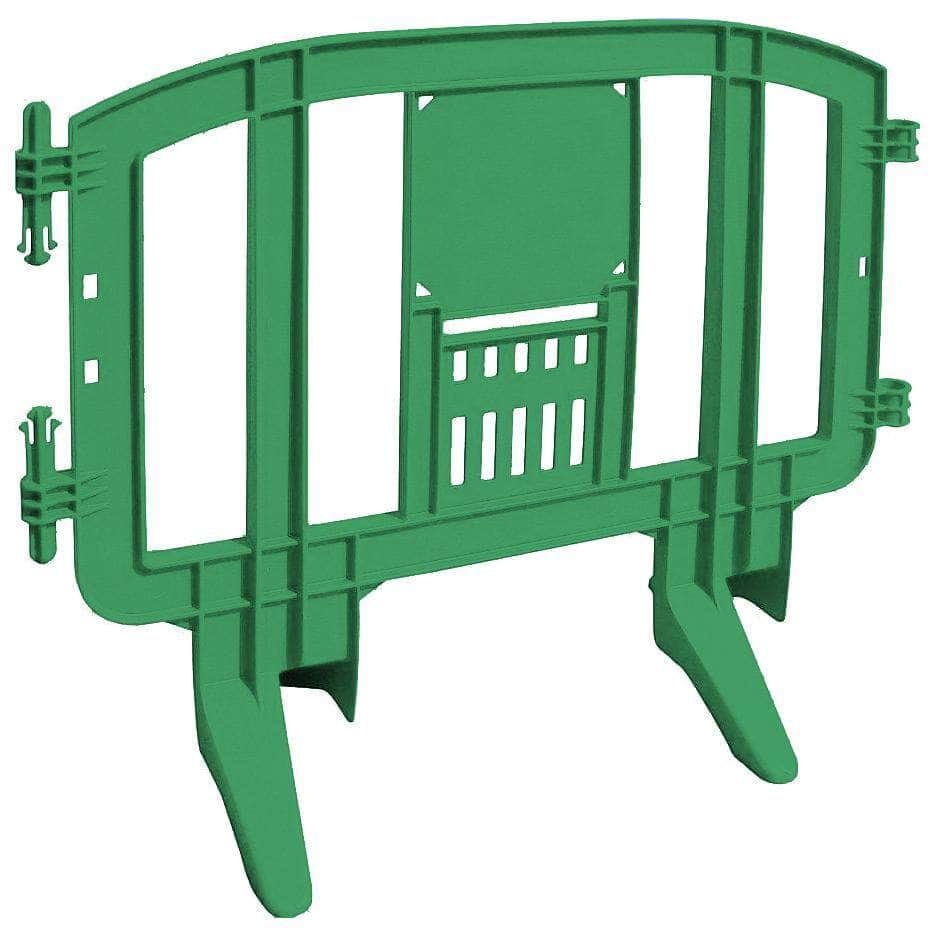
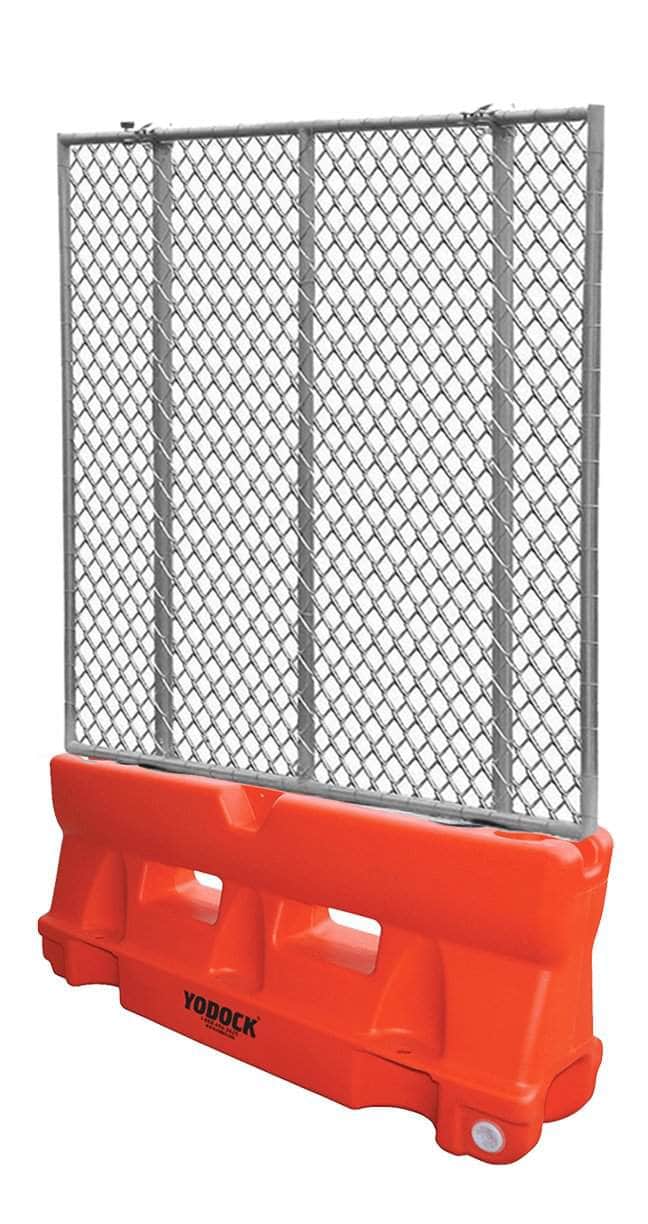
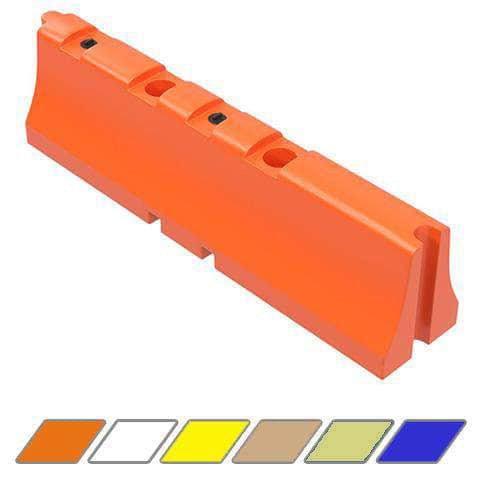
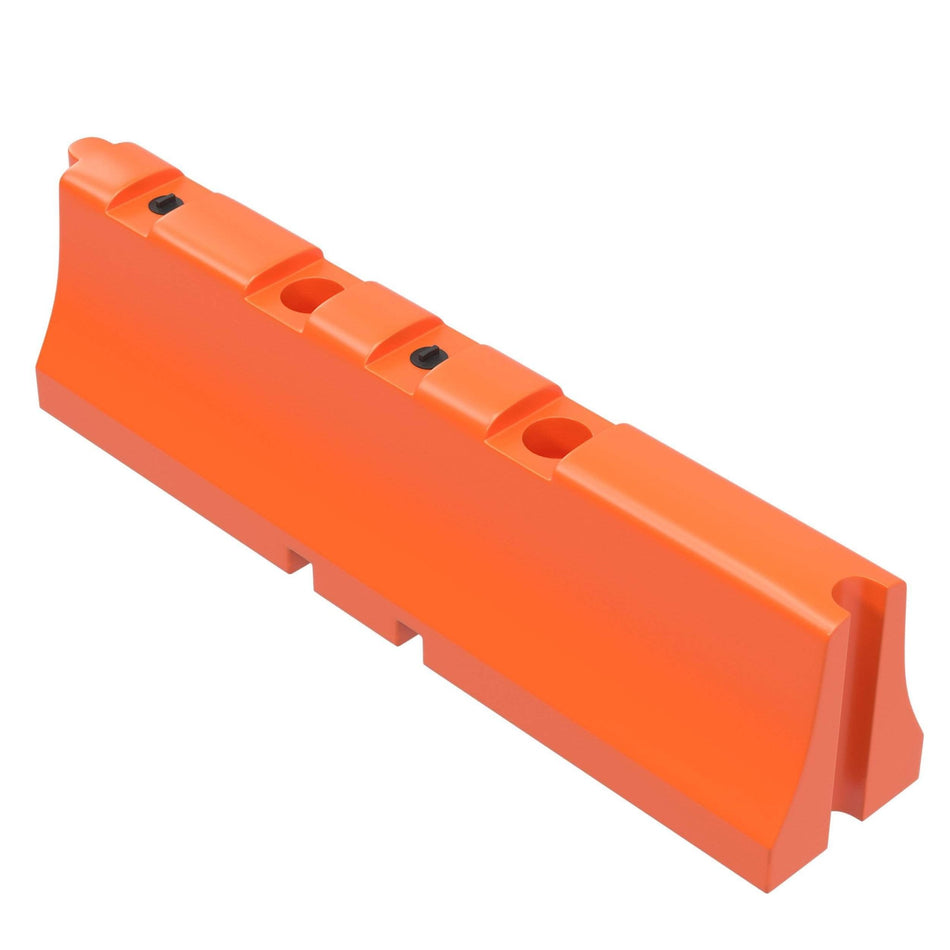
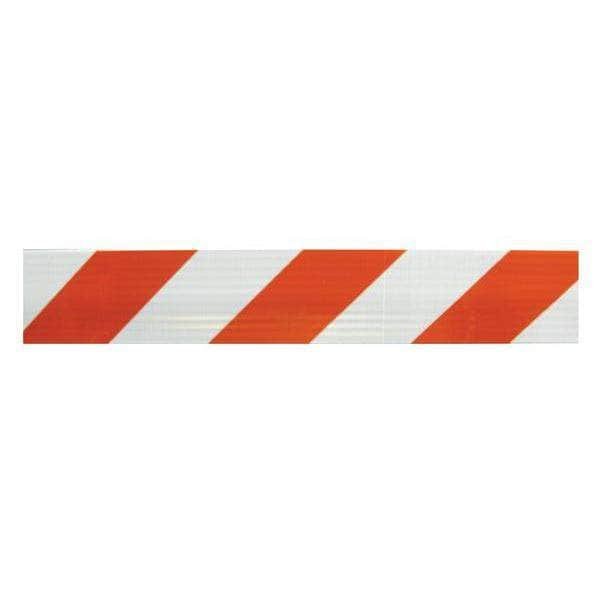
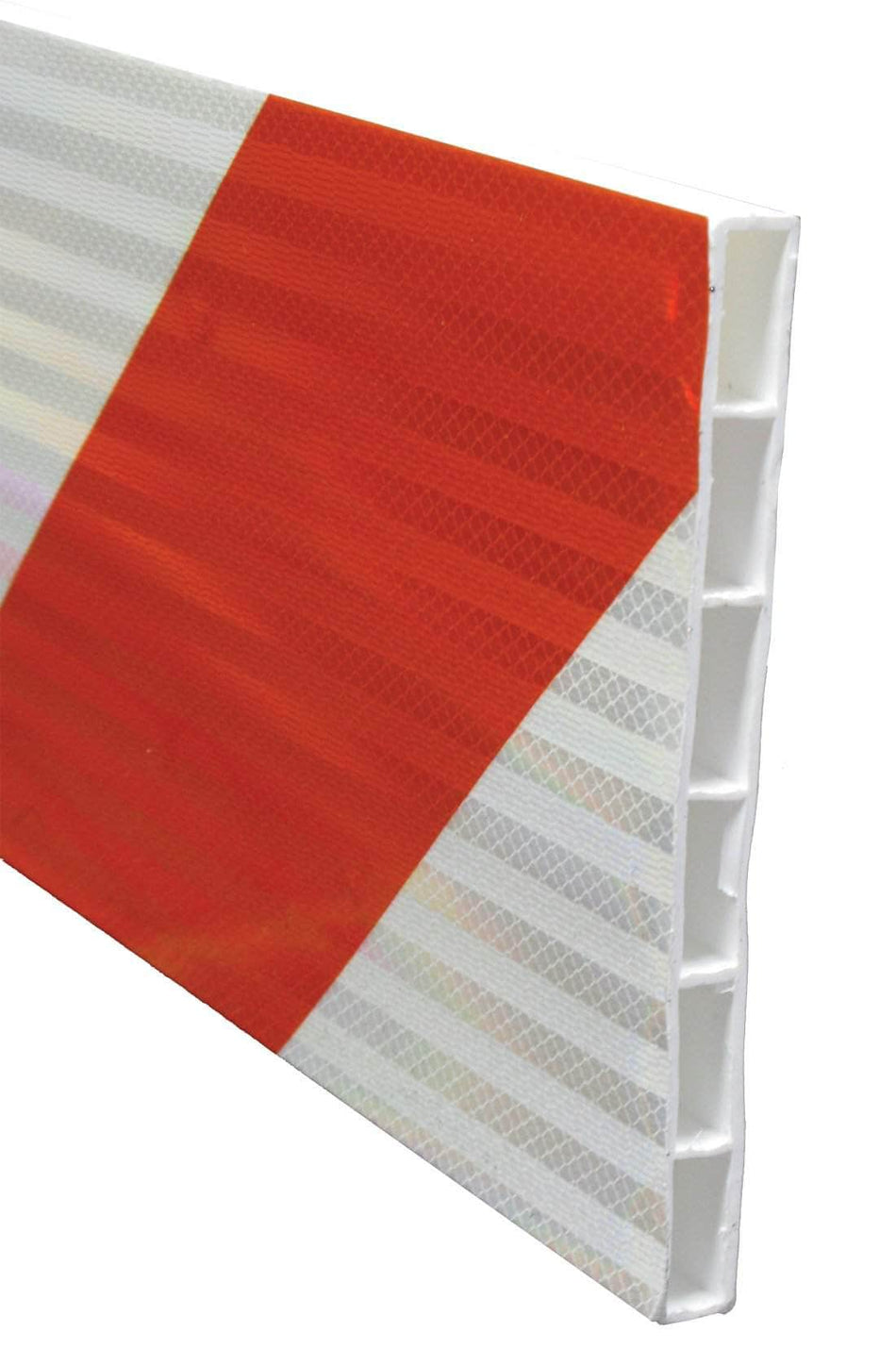
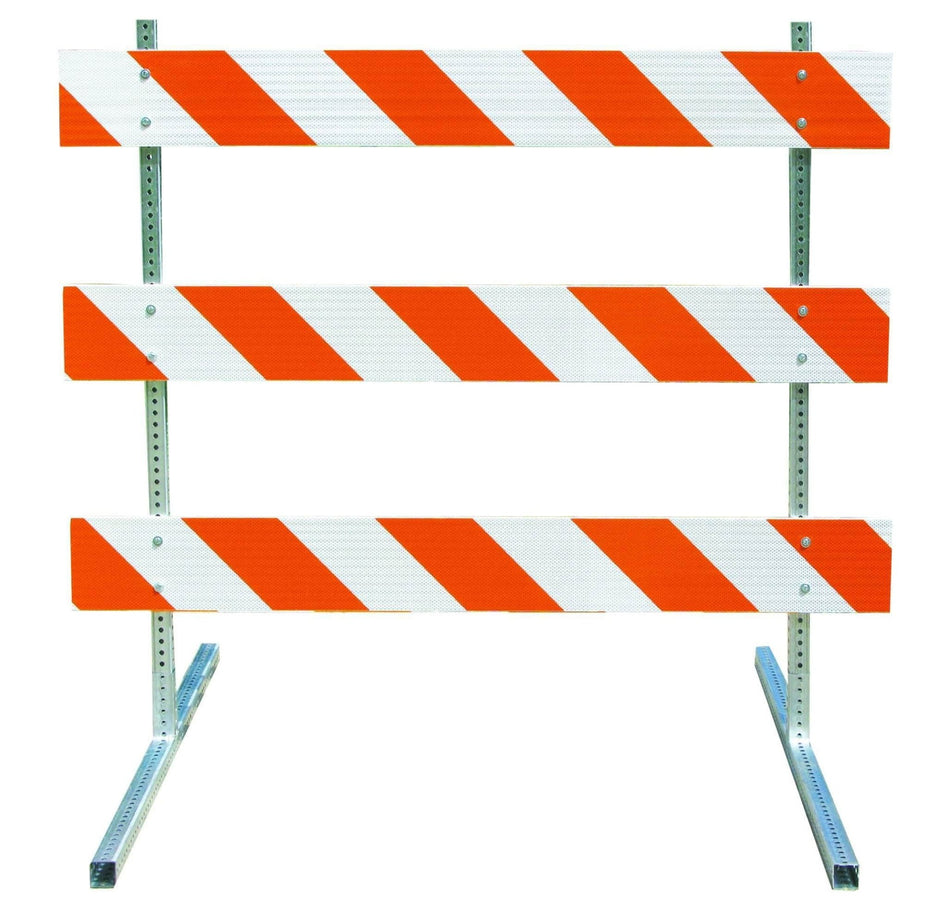
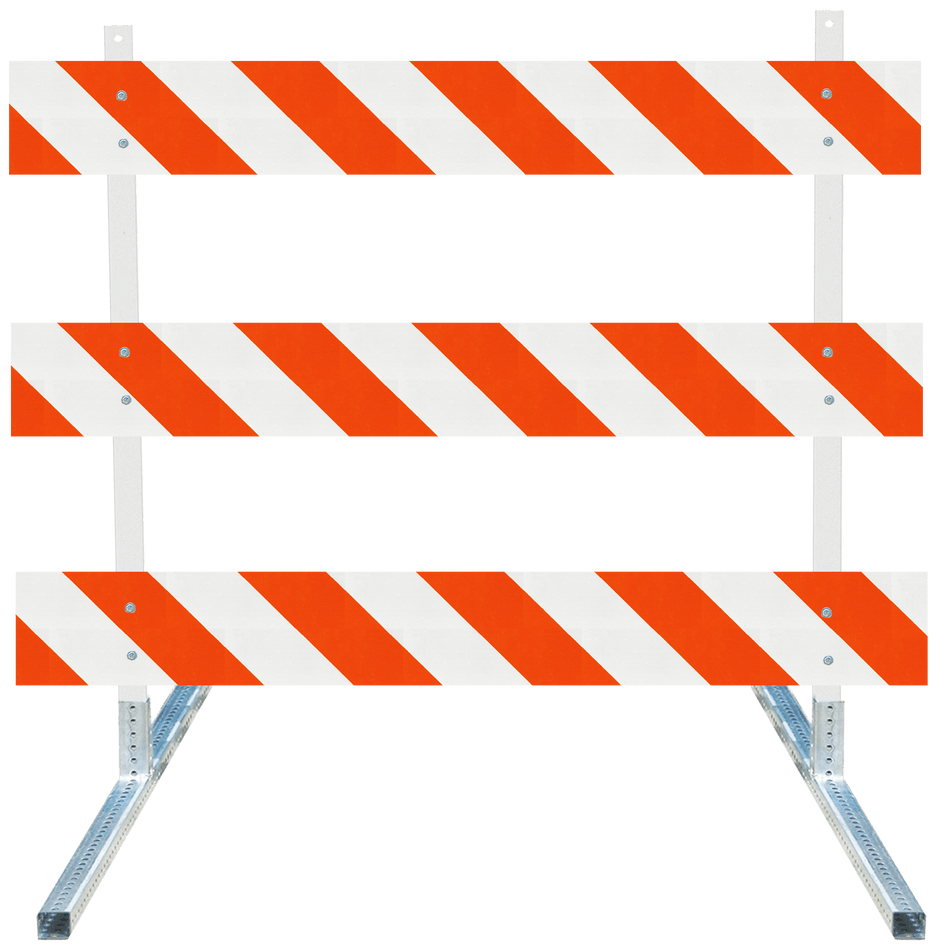
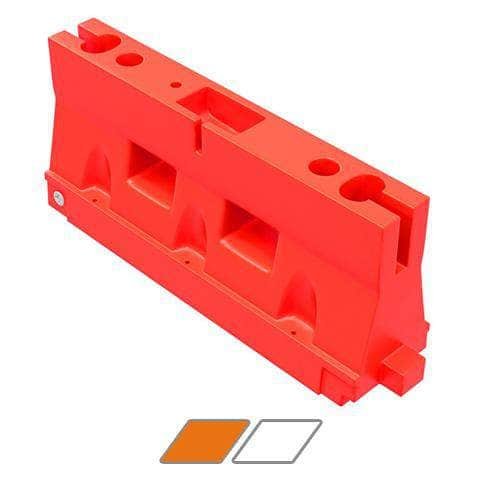
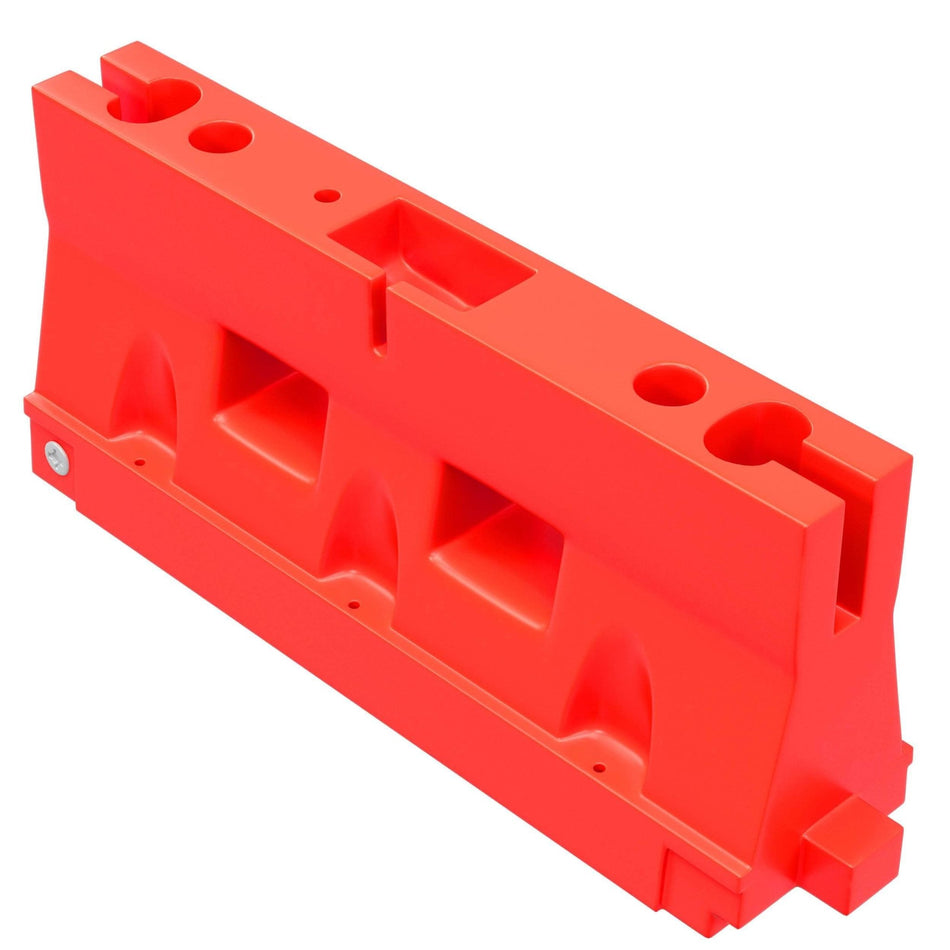
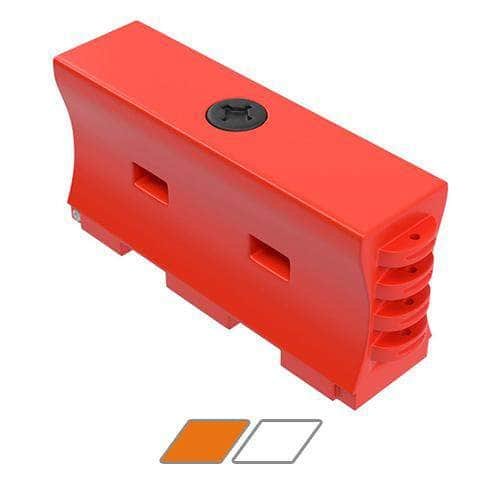
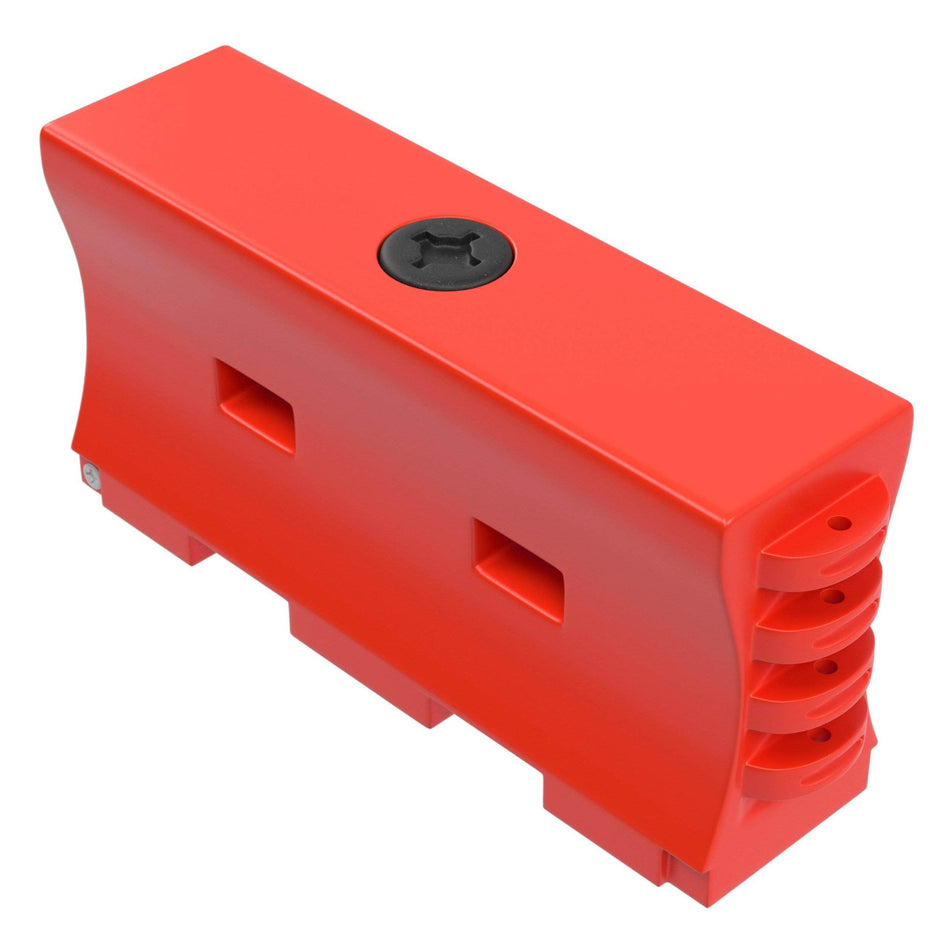
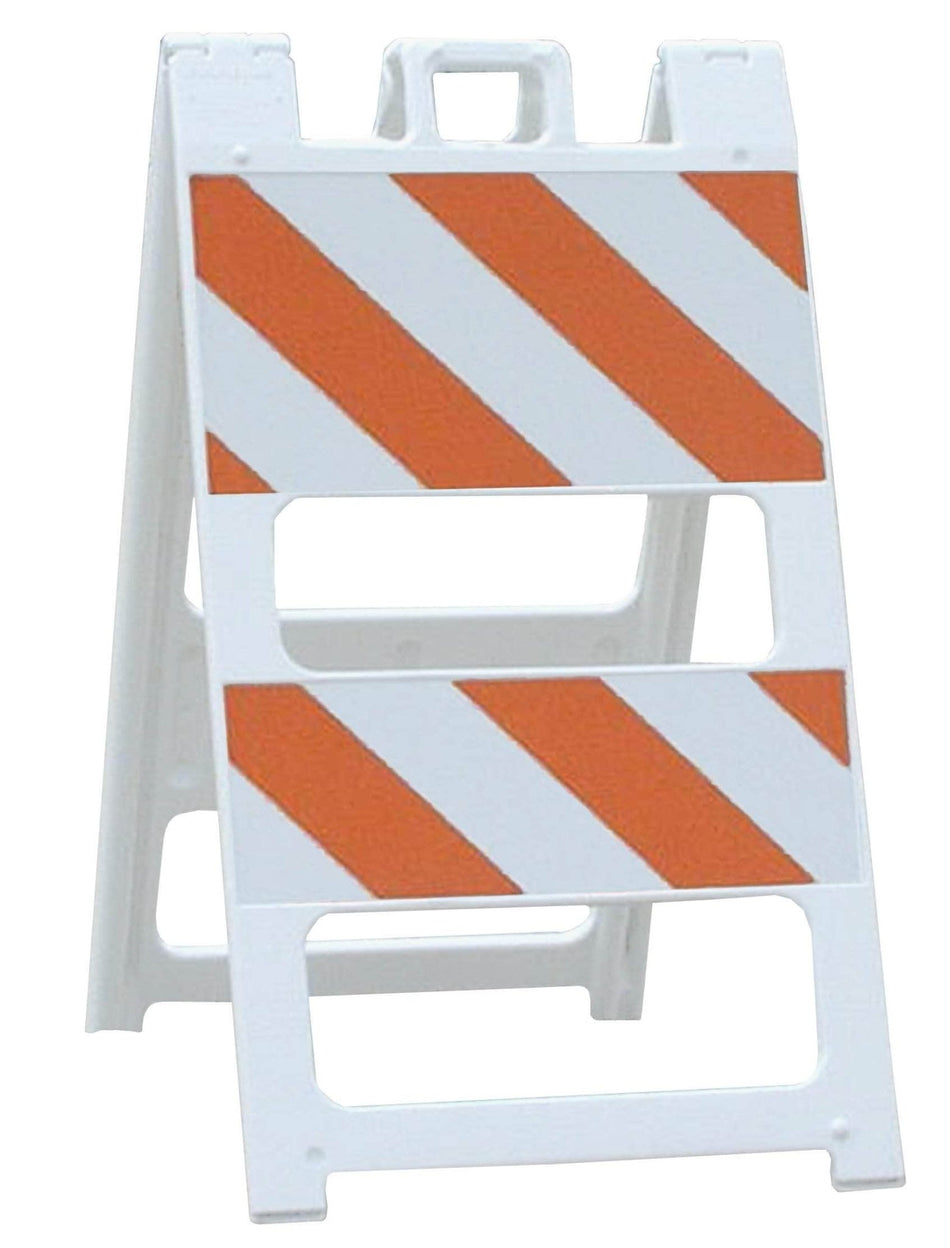
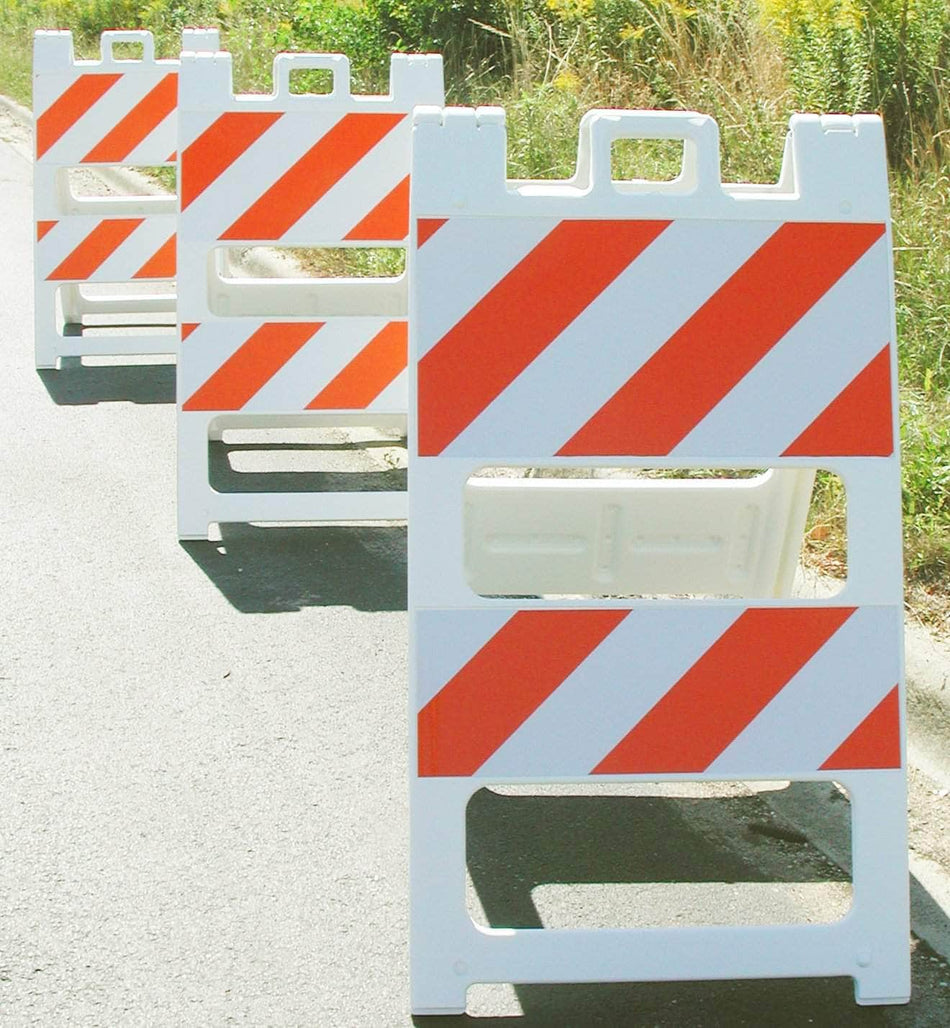
A barricade is a portable barrier used to block, redirect, or warn pedestrians and drivers away from hazards, construction zones, and restricted areas. The most common type - the traffic barricade - is governed by MUTCD (Manual on Uniform Traffic Control Devices) standards, which define three barricade types by size and reflective requirements.
Barricade Types - What MUTCD Requires
Type I barricades feature a single reflective rail with a minimum length of 24 inches. These are the standard choice for conventional roads and urban streets where pedestrian and vehicle traffic must be safely guided through active work zones.
Type II barricades utilize two reflective rails and maintain a minimum 24-inch rail length. They are preferred for freeways and higher-speed roadways where increased visibility is necessary to manage traffic flow effectively within the construction area.
Type III barricades are equipped with three reflective rails and a minimum rail length of 48 inches. These are required for full road closures and roadway shutdowns, providing maximum visibility and physical coverage across the entire width of the restricted lane or road.
Choosing the Right Barricade
For event crowd management or pedestrian pathway blocking, a Type I or II is typically sufficient. For any roadway, construction site, or DOT work zone application, verify local MUTCD requirements - most jurisdictions require Type III for lane closure or road-ending applications. All CCW barricades are MUTCD-compliant and available with or without lights.
FAQs
-
What is a barricade?
-
What does barricade mean in traffic control?
In traffic control, a barricade specifically refers to a MUTCD-compliant warning device used to close roads, lanes, or work zones. The term is also used more broadly for any portable barrier used to block access, restrict movement, or create physical separation at events, construction sites, and public spaces.
-
What are the three types of traffic barricades?
Type I barricades have a single reflective rail and are used for conventional roads and urban streets. Type II barricades have two reflective rails and are preferred for freeways and higher-speed roadways where greater visibility is required. Type III barricades have three reflective rails and a minimum rail length of 48 inches, required for road closures and full roadway shutdowns.
-
Do barricades need lights?
MUTCD requires flashing warning lights on barricades used in nighttime or low-visibility road work. For daytime or low-traffic pedestrian applications, reflective sheeting alone is typically sufficient. CCW barricades are available with and without integrated light mounts.
-
Can barricades be stacked for storage?
Yes - most plastic Type I and II barricades are designed to nest and stack for compact storage and transport. Type III barricades are larger and stack flat. All CCW barricades include stack/nest information in their product specs.
-
What’s the difference between a barricade and a jersey barrier?
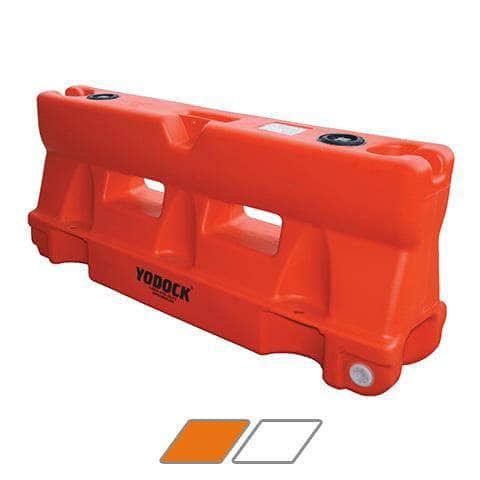
Barricades are lightweight, portable warning devices made from plastic or aluminum - they signal hazards and redirect traffic but offer no vehicle impact resistance. Jersey barriers (concrete or water-filled) are heavy, semi-permanent vehicle barriers designed to physically stop or redirect vehicles on impact. For vehicle containment, jersey barriers are required; for warning and traffic guidance, barricades are sufficient.